
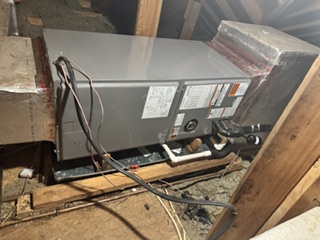
When replacing your air-conditioning system, it is natural to compare prices. However, the lowest estimate is not always the best long-term value. Installation quality can affect how well your system cools, how much electricity it consumes, how often it requires repairs, and how long it lasts.
In the Rio Grande Valley, air conditioners operate through long periods of extreme heat and high humidity. Even high-efficiency equipment may struggle when it is not sized, installed, and adjusted correctly.
The Equipment Is Only Part of the System
An HVAC system is more than the outdoor condenser and indoor air handler. Its performance depends on several factors working together:
- Proper equipment sizing
- Correct ductwork and airflow
- Accurate refrigerant charge
- Safe electrical connections
- Proper condensate drainage
- Correct thermostat and control settings
- Approved equipment matching
- Complete start-up testing
If any of these areas are overlooked, a new system may not deliver the comfort or efficiency the homeowner expected.
Proper Equipment Sizing Matters
A larger air conditioner is not automatically better.
An oversized system may cool the home too quickly and shut off before removing enough moisture. This can leave the home feeling cold but humid. An undersized system may run excessively and struggle to maintain the desired temperature during extreme weather.
A professional contractor should consider the home’s square footage, insulation, windows, orientation, air leakage, occupancy, and other heat-producing factors. When necessary, a Manual J load calculation provides a more accurate way to select equipment than simply installing the same size as the old system.
Airflow and Ductwork Affect the Entire System
New equipment cannot perform correctly if the ductwork is undersized, damaged, leaking, or poorly designed. Restricted airflow can cause:
- Uneven temperatures throughout the home
- Weak airflow from supply vents
- Excessive system noise
- High static pressure
- Longer run times and increased electricity use
- Poor humidity removal
- Frozen evaporator coils
- Additional strain on blower motors and compressors
Before installing new equipment, the contractor should evaluate the return air, supply ducts, filters, grilles, and available airflow. Duct improvements may be necessary for the new system to operate as designed.
The Refrigerant Charge Must Be Correct
Too much or too little refrigerant can reduce performance and place unnecessary stress on the compressor.
The proper refrigerant charge cannot always be confirmed by pressure alone. Start-up procedures may include checking superheat, subcooling, indoor and outdoor temperatures, airflow, and the manufacturer’s charging instructions.
Small installation errors can eventually lead to poor cooling, higher operating costs, and premature component failure.
Drainage and Electrical Work Should Not Be Overlooked
South Texas air conditioners remove a large amount of moisture from indoor air. The drain system must be properly installed, supported, trapped when required, and tested to reduce the risk of leaks, clogs, and water damage.
Electrical connections, disconnects, breakers, wire sizing, grounding, and voltage should also be inspected. Loose or improper connections can create service problems and shorten the life of electrical components.
Start-Up Testing Makes a Difference
Turning the system on is not the same as properly commissioning it. After installation, the contractor should confirm that the equipment is operating within the manufacturer’s specifications.
Important checks may include:
- Supply and return air temperatures
- Total external static pressure
- System airflow
- Refrigerant readings
- Voltage and amperage
- Thermostat operation
- Condensate drainage
- Heating and cooling operation
- Equipment configuration and control settings
These measurements can identify installation problems before they become expensive repairs or comfort complaints.
Do Not Compare HVAC Estimates by Price Alone
Two estimates may include the same size or brand of equipment while providing very different levels of installation quality.
Before selecting an HVAC contractor, ask:
- Is the proposed system properly sized for my home?
- Are the indoor and outdoor units an approved match?
- Will you inspect the existing ductwork and airflow?
- Are permits or inspections required?
- What electrical work, drain modifications, accessories, and duct changes are included?
- Will the system be tested after installation?
- Who will register the manufacturer’s warranty?
- What labor and workmanship warranties are included?
A detailed estimate makes it easier to understand what you are paying for and prevents important work from being excluded from the comparison.
A Quality Installation Protects Your Investment
Even the best HVAC equipment can perform poorly when installed incorrectly. Proper installation can help provide more consistent comfort, better humidity control, lower energy consumption, fewer service problems, and longer equipment life.
Price is important, but it should not be the only deciding factor. The contractor’s experience, installation procedures, system design, warranty support, and final testing can have a much greater impact on the total cost of owning the system.
JL Cooling & Heating provides professional air-conditioning installation and replacement services throughout San Juan, McAllen, Pharr, Mission, Edinburg, Alamo, Donna, Weslaco, and surrounding Rio Grande Valley communities.
We evaluate equipment sizing, ductwork, airflow, and overall system operation to help homeowners receive the performance they expect from their investment.
To schedule an HVAC evaluation or request an installation estimate, visit jlcandh.com or call 956-569-4838.