
The size of your air conditioner affects comfort, humidity control, energy consumption, and equipment life. If an AC system is too large or too small for the home, it may struggle even when the equipment is new and working correctly.
In the Rio Grande Valley, air conditioners must handle high temperatures and heavy humidity. However, installing the largest system available is not always the answer. The equipment must be properly matched to the home and its ductwork.
Why AC Size Matters
Air-conditioning capacity is measured in tons. One ton of cooling equals approximately 12,000 BTUs per hour, but the correct size cannot be determined by square footage alone.
Several factors affect how much cooling a home needs, including:
- Square footage and ceiling height
- Window sizes and directions
- Insulation levels
- Air leakage
- Roof color and construction
- Number of occupants
- Heat-producing appliances
- Ductwork location and condition
- Outdoor conditions in South Texas
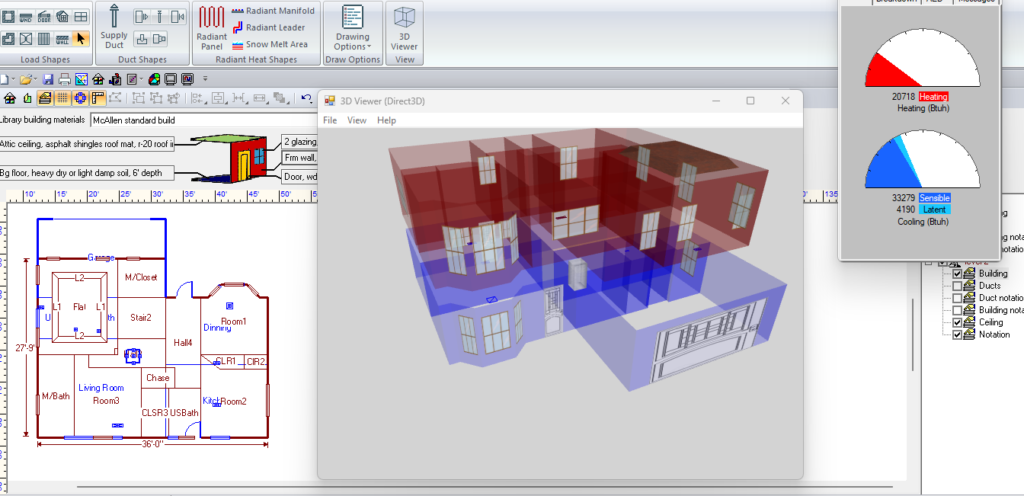
A professional Manual J load calculation evaluates these factors to determine the home’s actual cooling requirements.
Signs Your AC May Be Too Small
An undersized air conditioner does not have enough capacity to properly cool the home under normal design conditions.
Common signs include:
The AC Runs Constantly
An undersized system may run for long periods without reaching the thermostat setting. Longer cycles are normal during extremely hot South Texas afternoons, but a system that consistently falls behind may need to be evaluated.
The Home Does Not Reach the Thermostat Setting
If the thermostat is set to 74°F but the indoor temperature remains several degrees higher, the system may not have enough capacity. Refrigerant problems, dirty coils, poor airflow, duct leakage, and inadequate insulation can cause similar symptoms.
Some Rooms Remain Too Warm
Rooms with large windows, high ceilings, poor insulation, or inadequate ductwork may remain warmer than the rest of the home. This does not always mean the entire AC system is too small—it could be an airflow or duct-design problem.
Electricity Bills Are Higher Than Expected
A system that operates continuously can consume more electricity. However, high utility bills may also be caused by dirty equipment, duct leakage, poor insulation, low refrigerant, or incorrect thermostat settings.
The System Struggles During the Afternoon
An undersized system may keep the home comfortable in the morning but lose ground as outdoor temperatures and solar heat increase.
Signs Your AC May Be Too Large
Many homeowners believe a larger AC will cool the home better. In reality, oversized equipment can create serious comfort and humidity problems.
The System Turns On and Off Frequently
An oversized air conditioner may lower the temperature too quickly and shut off before completing a proper cooling cycle. This is called short cycling.
Frequent starting and stopping can increase wear on compressors, contactors, capacitors, and other components.
The Home Feels Cool but Humid
The evaporator coil needs sufficient run time to remove moisture from the air. If an oversized system shuts off too quickly, the thermostat may reach its setting while indoor humidity remains high.
This can make a South Texas home feel sticky or uncomfortable even at a lower temperature.
Temperatures Change Quickly
An oversized system may create noticeable temperature swings. The home becomes cold quickly, then warms up again, causing the equipment to start another short cycle.
Some Areas Feel Too Cold
A system that delivers too much cooling too quickly can make rooms near the air handler or larger supply vents uncomfortable while distant rooms remain warm.
The Equipment Is Loud When It Starts
Larger equipment requires more airflow. If the existing ductwork cannot support it, you may hear excessive air noise, whistling vents, or a loud return grille.
Ductwork Can Make a Correctly Sized AC Perform Poorly
The equipment is only one part of the system. Improperly sized, damaged, leaking, or restrictive ductwork can create symptoms that look like an equipment-sizing problem.
For example, undersized ducts can cause:
- Weak airflow
- High static pressure
- Uneven temperatures
- Excessive noise
- Longer run times
- Frozen evaporator coils
- Increased blower motor strain
Before recommending larger or smaller equipment, the duct system and airflow should also be inspected.
Can AC Size Be Determined by Square Footage?
Square footage can provide a rough starting point, but it should not be the only factor used to select equipment.
Two homes with the same square footage can have very different cooling loads. A shaded, well-insulated home with energy-efficient windows may need less cooling than a similar-sized home with poor insulation, air leakage, high ceilings, and large west-facing windows.
Rules such as “one ton for every certain number of square feet” can easily lead to oversized or undersized equipment.
The Proper Way to Size an AC System
A complete evaluation should include:
- A Manual J heating and cooling load calculation
- Review of insulation, windows, orientation, and air leakage
- Inspection of the existing ductwork
- Airflow and static-pressure measurements
- Proper equipment selection using manufacturer performance data
- Manual S equipment selection when applicable
- Consideration of indoor humidity and homeowner comfort needs
The goal is not simply to install equipment that can cool the home. The goal is to select a system that provides proper airflow, temperature control, humidity removal, efficiency, and dependable performance.
Professional AC Sizing in the Rio Grande Valley
If your air conditioner runs constantly, short cycles, leaves the home humid, or cannot maintain an even temperature, improper sizing may be part of the problem. A complete evaluation can help determine whether the cause is equipment capacity, ductwork, airflow, insulation, refrigerant, or another system issue.
JL Cooling & Heating LLC provides professional HVAC evaluations, Manual J load calculations, airflow testing, AC repair, and system installation throughout San Juan, McAllen, Mission, Edinburg, Pharr, and surrounding Rio Grande Valley communities.
Call: 956-569-4838
Visit: https://jlcandh.com
JL Cooling & Heating LLC — We don’t sell what you don’t need.
Suggested SEO title: Signs Your AC Is Improperly Sized | Rio Grande Valley HVAC
Suggested URL: /signs-air-conditioner-improperly-sized/
Meta description: Learn the warning signs of an oversized or undersized air conditioner, including humidity, short cycling, long run times, uneven cooling, and high energy bills.